What is Mexican hot chocolate?
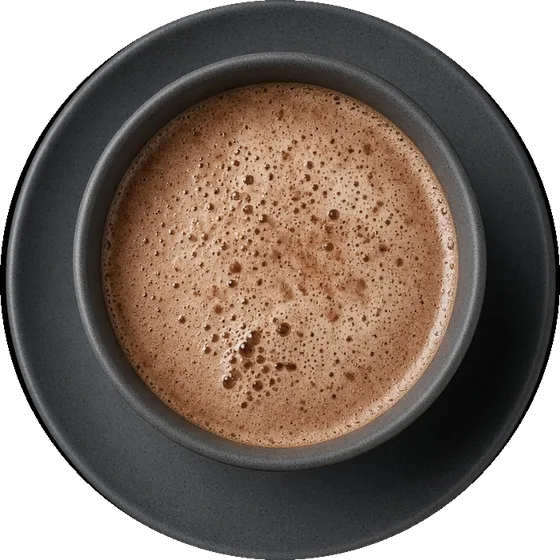
Mexican hot chocolate is a drink made from table chocolate, tablets of ground cacao with sugar and cinnamon, dissolved in water or milk and whisked with a wooden molinillo until it foams.[1][2]
What is in Mexican hot chocolate?
- Table chocolate: roasted cacao ground on a metate with sugar, cinnamon and, in some recipes, almonds and vanilla
- Water or milk
- On the side: sweet bread (pan dulce)
Where does Mexican hot chocolate come from?
Cacao was domesticated in Mesoamerica; some of its oldest traces are at Cerro del Manatí, in Veracruz. Indigenous peoples used cacao as food and as currency, seasoned it with chile, achiote or vanilla, and frothed it by pouring it from one vessel to another.[2][1]
In colonial times, in convents, sugar and spices were added, and the drink went from bitter and spicy to sweet and aromatic. Milk, cinnamon, pepper and clove followed, and chocolate was drunk across all social classes.[2][1][4]
Types of Mexican hot chocolate
In Oaxaca it is made with water. In Saltillo, writes Armando Fuentes Aguirre "Catón", "chocolate was not made with water, as in Oaxaca, but with milk".[5][3]
Oaxaca is estimated to have about 18 cacao-based drinks, among them chocolate, champurrado, tejate and the chocolate atole of the Central Valleys: warm atole topped with cold cacao foam.[3]
Other names
The origin of the word "chocolate" is debated. It may come from xocoatl, "sour water", or from xicoli, the tool used to whip the drink. Others link it to the Nahuatl cacahuatl, translated as "bitter juice".[1][2]
When is Mexican hot chocolate eaten?
At breakfast and the afternoon snack (merienda), with sweet bread for sipping or dunking. Catón recalls that in Saltillo both meals were "a cup of chocolate with sugar bread", and says the custom has since been lost.[5]
In Oaxaca it is always on Day of the Dead altars, alongside tamales and the deceased's favorite stew. It is also served at wakes, dissolved in water with bread, and at patron-saint festivals before the main course.[3]
Did you know?
The molinillo is lathe-turned from a single piece of odorless wood so it won't alter the cacao's flavor. Its pre-Hispanic ancestor was called aquahuitl or chicoli. Rayón, in the State of Mexico, is the "Cradle of the Molinillo", and its pieces were declared intangible cultural heritage of the state in 2025.[4]
A UNAM publication advises against boiling chocolate over and over: each boil drives off aroma.[1]
Frequently asked questions
What is Mexican hot chocolate?
Mexican hot chocolate is a drink made from table chocolate, tablets of ground cacao with sugar and cinnamon, dissolved in water or milk and whisked with a wooden molinillo until it foams.
What are the ingredients of Mexican hot chocolate?
Table chocolate: roasted cacao ground on a metate with sugar, cinnamon and, in some recipes, almonds and vanilla; Water or milk; On the side: sweet bread (pan dulce).
Where is Mexican hot chocolate from?
Cacao was domesticated in Mesoamerica; some of its oldest traces are at Cerro del Manatí, in Veracruz. Indigenous peoples used cacao as food and as currency, seasoned it with chile, achiote or vanilla, and frothed it by pouring it from one vessel to another.
When is Mexican hot chocolate eaten?
At breakfast and the afternoon snack (merienda), with sweet bread for sipping or dunking. Catón recalls that in Saltillo both meals were "a cup of chocolate with sugar bread", and says the custom has since been lost.
Sources
- UNAM, Revista Digital Universitaria (Cristina Barros y Marco Buenrostro, 2011): Pozol, popo, champurrado
- UAEH (López Hernández, Gutiérrez Rodríguez y Ramírez Godínez, 2019): Preparación de chocolate en metate
- Excélsior (Patricia Briseño): Chocolate: espumoso, aromático y delicioso
- México Desconocido: Molinillo o chicoli, utensilio de origen prehispánico para espumar el chocolate
- Vanguardia (Armando Fuentes Aguirre «Catón»): ¿Gusta un chocolatito?
Researched and checked on October 14, 2026. Legends and disputed claims are marked as such in the text. How we work
Other dishes
What is pozole? · What is pan de muerto? · What is a tamale? · What is mole poblano? · What is a burrito? · What is champurrado? · What is atole? · What is calabaza en tacha? · What is Mexican Christmas apple salad? · What is Mexican Christmas ponche? · all